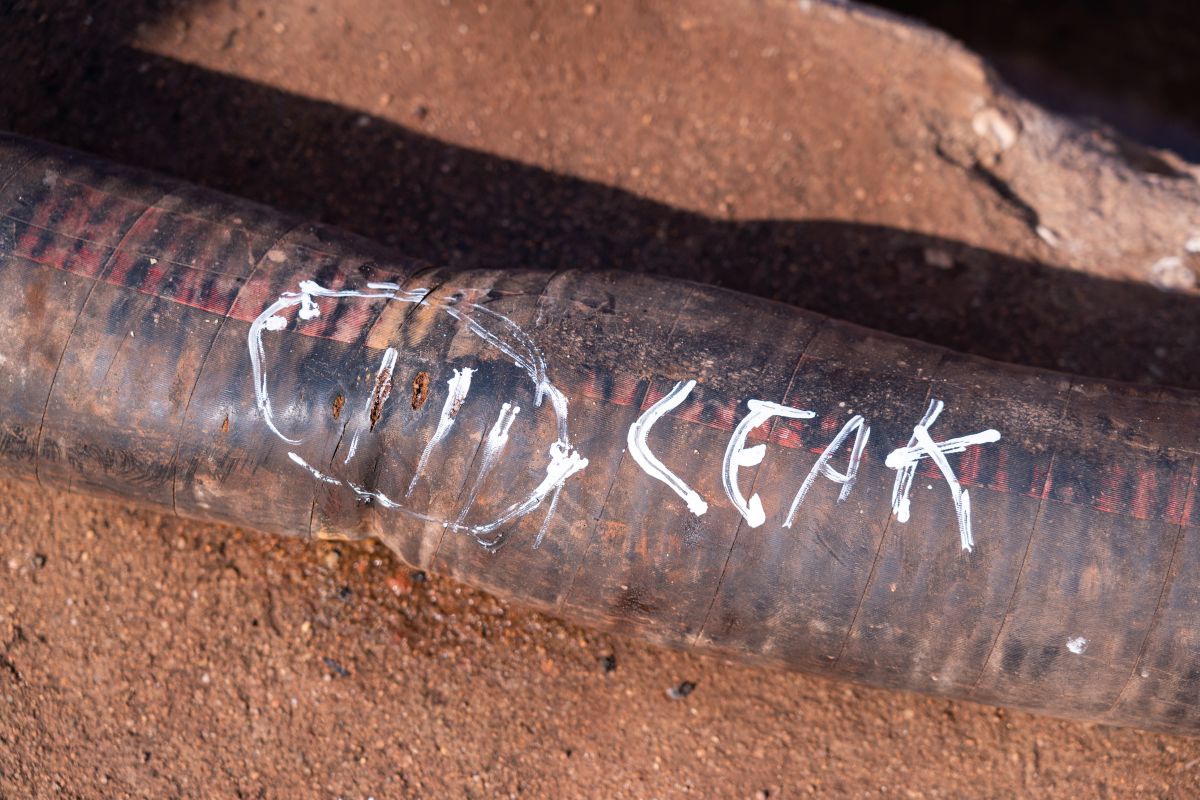
Despite innovations in technology, leakage is still a major issue when working with hydraulic systems. Although improved quality of components like sealing and hose materials has taken care of a lot of these issues, having preventative maintenance plans to stop leaks before they start is stressed now more than ever.
Why is leakage an issue in our modern times, and what are some main causes?
Hydraulic leaks affect safety, environmental compliance, productivity, equipment performance, and operating costs. While modern components, sealing materials, hose technology, system design, and education have all improved, the industry still struggles with both real leakage issues and the perception that hydraulics are always inherently “dirty” and it is what it is. Valuable industry insights were provided by fifty fluid power users, manufacturers, engineers, and experts who were interviewed by the staff of Fluid Power World- View the whole article here.
The weight of leakage being a major issue is felt when Carl Dyke, President, CD Industrial Group Inc., stated his input on the matter.
“Hydraulic system leakage is a very large problem,” said Dyke. “The good news is that this problem is being solved fairly quickly now. Witnessed on newer systems, the problem is primarily a lack of sound installation and maintenance practices — where on older systems, the problem is often the fit and style of hydraulic connections.”
So often, lack of maintenance understanding, protocol, and practices are the main culprit to leakage issues, and they get overlooked.
Another major issue that contributes to equipment leakage is improper training. Casey Ruttan, Territory Manager for Power Systems Inc. of Florida, believes leaks are still a big problem and the core problem is lack of training and awareness in how to handle them.
“Daily, I see systems with drips, wet hoses, oil coated valve stacks, and seeping fittings and cylinders. Lack of knowledge, training, awareness, and attention is really the root problem. Many of the folks I meet in maintenance capacities have had little to no training in fluid power concepts, let alone maintenance or safety practices,” he stated. There needs to be more consistent fluid power training as new innovations and regulations arise. One avenue where Spectroline Leak Detection provides leak detection training is through IDCO University. If you are a member of IDCO AKA The Hoser Network, elevate your leak detection expertise with our free Spectroline Leak Detection courses.
IDCO U is more than an educational platform — it is a powerful resource for continuous learning and professional growth. With a curated collection of supplier-led courses, training modules, and tutorials, it serves as a hub for industry-specific knowledge. Members can strengthen their skills through targeted content, while suppliers gain a valuable platform to highlight innovations, best practices, and proven solutions. The result is a more knowledgeable, connected, and engaged IDCO community.
Why the Industry Should Push for a Zero-Leakage Mindset
Hydraulic leakage may be common, but that doesn’t mean its normal or should be accepted as the normal way of hydraulic equipment. With the right maintenance practices and leak detection tools, teams can find leaks earlier, reduce fluid loss, be part of responsible fluid management, and protect equipment performance. 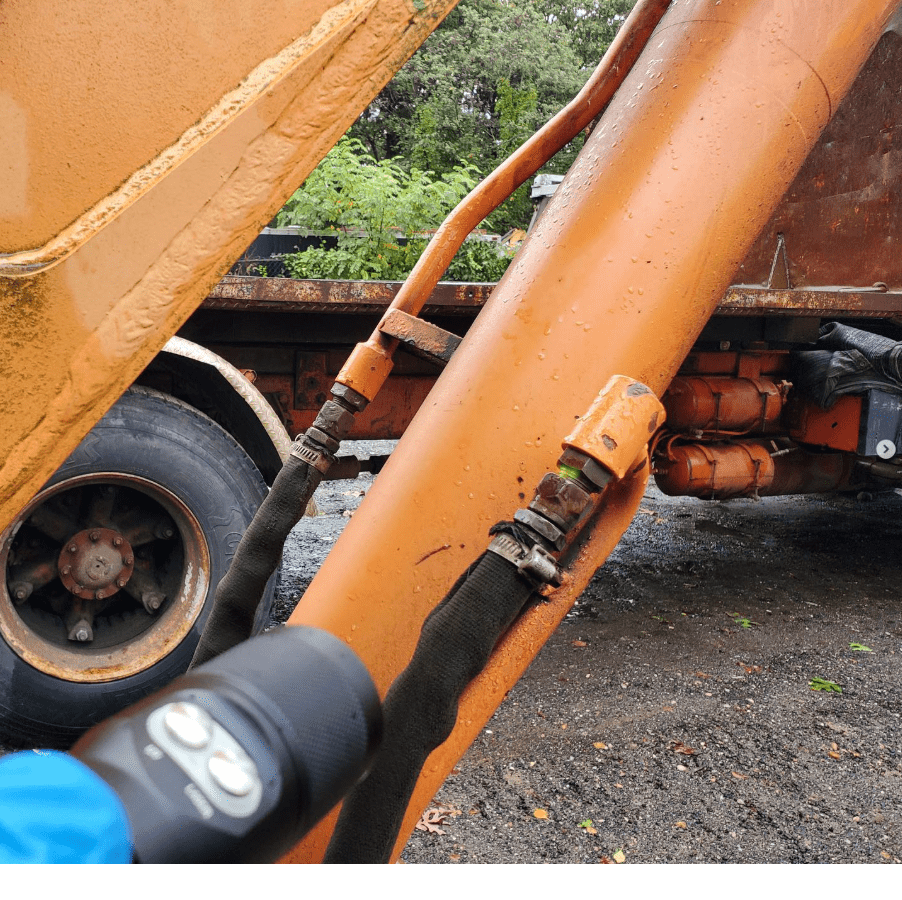 Spectroline Leak Detection technology helps assist that mindset through being a leak detection staple in proactive maintenance. There is a Spectroline Advantage you get when you are implementing our technology to your practices. You are getting reliable leak detection for the life of these systems, and with that being a steady variable, every other area of focus starts operating at a better efficiency. Alongside proactive maintenance practices, there must continue to be better system design, better installation standards, and stronger education around the main leak site areas, such as hoses, seals, fittings, and fluid conveyance systems, as well as continuous leak detection education and the importance of clean, responsible operations.
Main takeaways:
- Leaks are still a major pain point in fluid power systems
- Connections, hoses, fittings, seals, and cylinders are common leak sources and they should be understood
- Small leaks can become expensive through downtime, cleanup, lost fluid, and safety risks
- Proper training protocols and proactive maintenance are essential
- Spectroline Leak Detection technology supports a zero-leakage maintenance mindset by helping teams pinpoint leaks faster and more accurately
Learn about Spectroline Leak Detection products here.