EPA HVAC leak detection requirements

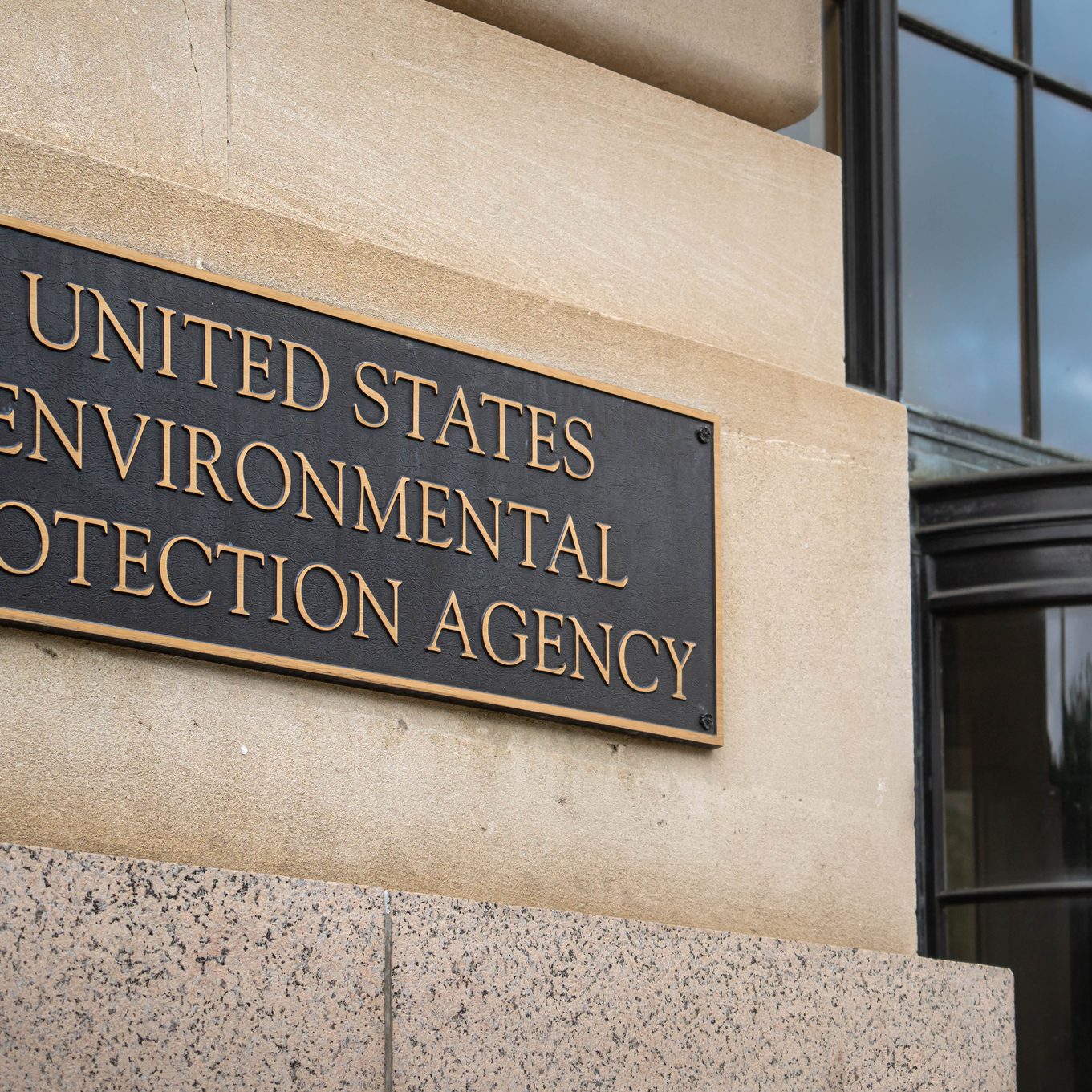
The U.S. Environmental Protection Agency (EPA) regulates HVAC leak detection requirements primarily under Section 608 of the Clean Air Act, along with supporting rules. EPA’s HVAC leak detection rules focus on preventing refrigerant emissions by requiring regular leak monitoring, timely repairs, certified technicians, and strict recordkeeping. These rules apply to both ozone-depleting substances (ODS) and…

Details

Section 608 Regulations for Leak Detection

Under Environmental Protection Agency (EPA)  Section 608 of the Clean Air Act, HVAC technicians must be certified to handle refrigerants, and owners/operators must conduct leak inspections and repairs for appliances exceeding certain leak rates, including record-keeping and reporting requirements. Spectroline Leak Detection products are perfect to ensure you find leaks fast using our dye, AR-GLO,…

Details

CO2 (R-744) as a Refrigerant

What is driving interest in CO2 (R744)? In light of increasing apprehensions regarding the detrimental effects of fluorinated refrigerants on the environment, there has been a resurgence in using natural refrigerants. CO2 (R744) and R717 (NH3) refrigerants are utilized for industrial applications at low temperatures. Carbon Dioxide (CO2, R-744) has been used as a refrigerant…

Details

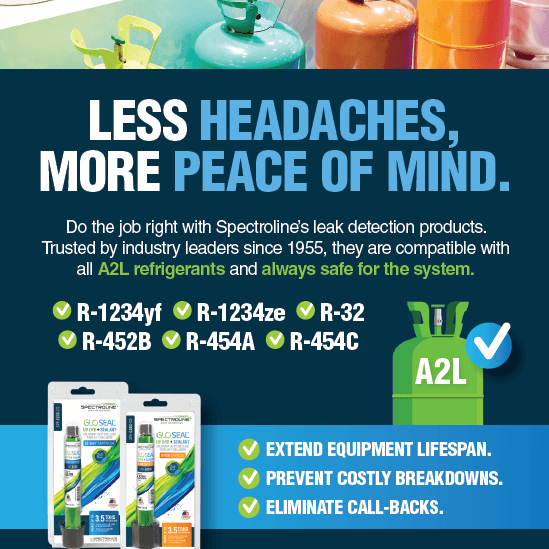
GLO Seal is Compatible with A2L Refrigerants

Brief Summary of A2L Refrigerants The incorporation of A2L refrigerants is an easy way to reduce Global Warming Potential as they are classified as mildly flammable and are more environmentally friendly than high-GWP hydrofluorocarbons (HFCs). Global Warming Potential has been developed to allow comparisons of the global warming impacts of different gases. Specifically, it is…

Details

HVAC Refrigerant Leak Detector – Why it’s Important

HVAC systems need refrigerants to achieve the thermal process of obtaining cooling/heating effects.  The Role of Refrigerants in Cooling Heat Absorption: The AC system circulates a refrigerant. An HVAC refrigerant is a specific chemical compound with elements that allow it to absorb heat. The copper coils, typically found inside the indoor unit of the AC,…

Details

Searching for leaks? Go Eco-Friendly with GLO Seal!

  Eco-Friendly Way To Find Leaks Choose environmentally-conscious solutions like GLO Seal next time you need to detect and seal leaks. Today, more and more consumers express concerns about the environmental impact of the products and services they are allowing to be put into their HVAC systems. With new government regulations to reduce energy consumption…

Details

2023’s IRA Incentives and Industry Regulations Are Great for GLO Seal

About IRA The IRA (Inflation Reduction Act) is a law designed to combat climate change in the United States. Fiscal incentives to encourage environmentally-conscious choices among homeowners include tax credits and consumer rebates that reward energy-efficient HVAC installations as well as the use of renewable resources like electricity.  Since environmental conservation is a national priority,…

Details

Common Misconceptions About Fluorescent Leak Detection

UV fluorescent leak detection has some misconceptions that are simply inaccurate. From the assumed challenge of needing equipment to be operational to the perceived issue of direct sunlight, we confidently have the information you need to choose Spectroline’s UV fluorescent dye for your leak detection requirements. Our dyes are used to pinpoint leaks all around…

Details

Natural Refrigerants Compatible with Leak Detection Dye

Fluorescent Leak Detection Dye Compatibility with Hydrocarbons R-290 & R-600a The HVAC/R industry continues phasing down the manufacture and use of synthetic refrigerants such as CFCs, HCFCs and HFCs. Natural refrigerants and hydrocarbons, such as propane, have become more prevalent in daily life and can be used as substitutes for the previous refrigerants. Hydrocarbons are…

Details